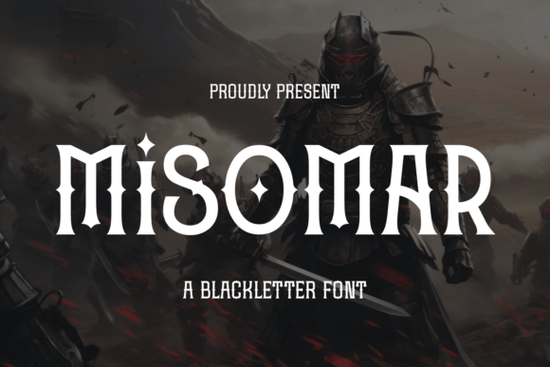
If you're working on a design that calls for old-world gravitas think medieval manuscripts, fantasy book covers, or gothic wedding invitations you’ve probably searched for a blackletter font that feels authentic without being hard to read. That’s where Misomar Font stands out. It blends bold, elegant letterforms with the ornate detailing of traditional blackletter scripts, giving your projects a refined historical flair without sacrificing legibility.
Unlike many blackletter fonts that lean too heavily into complexity, Misomar balances dramatic strokes and sharp, pointed serifs with enough spacing and flow to keep text readable even at smaller sizes. This makes it especially useful for designers who want to evoke a sense of craftsmanship without overwhelming their audience.
What makes Misomar work for modern creative projects?
Blackletter fonts often feel locked in the past, but Misomar adapts surprisingly well to contemporary uses. Its intricate curves and strong verticals nod to 15th-century calligraphy, yet the consistent weight and clean terminals help it integrate smoothly into logos, packaging, and digital graphics. You’ll find it particularly effective for:
- Fantasy novel covers and RPG game assets
- Gothic or vintage-inspired branding (think apothecaries, breweries, or artisanal goods)
- Wedding stationery with a dramatic, romantic tone
- T-shirt and merch designs that lean into historical or mystical themes
Because it’s a display font, Misomar shines in headlines, titles, and short phrases rather than body text. But within those limits, it offers a lot of personality perfect for creators who want their work to stand out with character, not just color or layout.
How does it compare to other blackletter fonts?
Many blackletter options either simplify too much (losing the genre’s signature drama) or go overboard with flourishes that clutter the design. Misomar finds a middle ground. The letterforms are detailed but not chaotic, and the rhythm between thick downstrokes and thin upstrokes follows traditional penmanship rules, which adds authenticity.
If you’ve tried fonts like Old English or Cloister Black, you’ll notice Misomar feels more fluid almost like it was drawn with a flexible nib rather than carved in stone. That subtle softness makes it friendlier for modern audiences while still honoring its roots.
For more options in this style, you can explore other blackletter fonts that pair well with historical or fantasy aesthetics.
Who should consider using Misomar?
This font isn’t for every project but if your work leans into storytelling, heritage, or mood-driven visuals, it’s worth a look. Print-on-demand sellers creating themed apparel or posters will appreciate how well it photographs. Small business owners crafting luxury product labels (like candles, soaps, or small-batch spirits) can use it to signal tradition and care. Even hobbyists making handmade greeting cards or scrapbook elements will find it adds instant atmosphere.
One practical note: because of its ornate nature, test Misomar at your intended size before finalizing. Some fine details may blur in very small print or low-resolution outputs. But at 18pt and above especially in vector formats it holds up beautifully.
You can preview and license the typeface directly through Creative Fabrica: Misomar.
Tips for pairing Misomar with other fonts
Since Misomar is highly decorative, pair it with simple, neutral typefaces to avoid visual competition. Good companions include:
- A clean sans-serif like Montserrat or Lato for contrast
- A minimal serif like Cormorant Garamond if you need secondary text with slight elegance
- Lightweight monospace fonts for a modern-meets-medieval tech twist (use sparingly)
Stick to one or two supporting fonts max. Let Misomar carry the emotional weight while your secondary type handles readability.
Before you download: a quick checklist
If you’re considering Misomar for your next project, ask yourself:
- Is my design theme aligned with gothic, medieval, fantasy, or vintage aesthetics?
- Will the font be used primarily for headlines, logos, or short text not paragraphs?
- Do I have space to let the letterforms breathe (i.e., generous line spacing and margins)?
- Have I tested it in context on mockups, prints, or screen previews?
If you answered “yes” to most of these, Misomar could be the distinctive touch your design needs without tipping into cliché or confusion.
Try It Free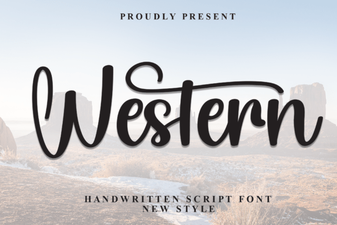 Western Fonts: Design Tips & Creative Project Ideas
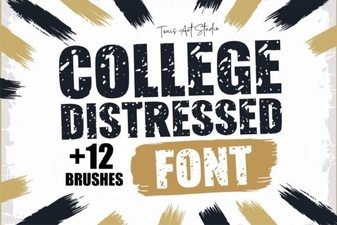 Designing with a College Distressed Font Style
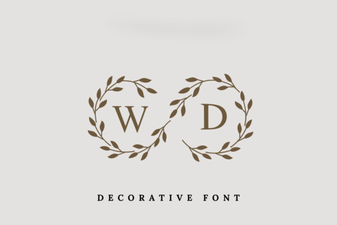 Monogram Fonts for Your Wedding Day Style
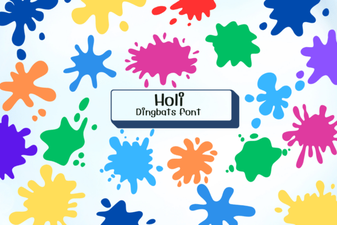 Creative Holi Fonts for Festive Design Projects
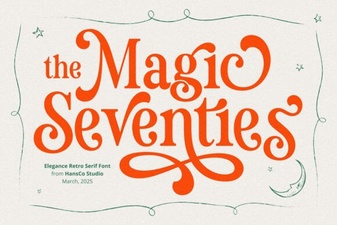 Magic Seventie Font: Creative Design Project Ideas
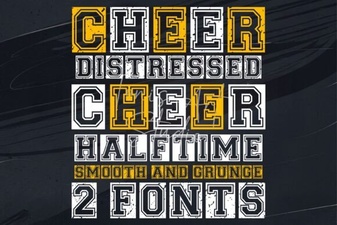 Fresh & Fun Cheer Font Styles for Creative Projects